

Every phone case brand has a drop protection claim. 4 feet. 6 feet. 8 feet. 10 feet. Military-grade. You'd think we were launching phones from helicopters rather than accidentally knocking them off coffee tables.
But what do these numbers actually mean? How is drop protection measured? And more importantly, does your case really need to survive a 10-foot fall when the vast majority of drops happen from waist height or lower?
This guide strips away the marketing noise and gives you a genuinely useful understanding of phone case drop protection. By the end, you'll know exactly what level of protection you actually need, and you won't overpay for it. Camera-led shoppers should pair this with our camera protection phone cases 2026 shortlist for raised-bezel-first picks.
How Drop Protection Is Measured
The MIL-STD-810G Standard
When brands say "military-grade," they're typically referencing MIL-STD-810G, a US Department of Defence testing standard. But here's what they don't tell you: this standard wasn't designed for phone cases. It was created to test equipment like radios, weapons systems, and field computers.
The relevant section (Method 516.6) involves dropping equipment from 4 feet (1.22 metres) onto plywood over concrete, with 26 drops from different angles and edges. That's the baseline. Brands that claim higher drop ratings are using their own internal testing, which is... less standardised, let's say.
The Drop Height Game
Here's how brands inflate their drop claims:
- 4 feet / 1.2m: The actual MIL-STD-810G standard. Roughly waist height when standing
- 6 feet / 1.8m: Roughly head height. A reasonable extreme scenario, phone slipping while taking a selfie, for instance
- 8 feet / 2.4m: Higher than most people's heads. When does this actually happen?
- 10+ feet / 3m+: This is marketing. You're paying for a claim, not a real-world scenario
The uncomfortable truth is that most phone drops happen from 2-4 feet, the height of a table, a sofa arm, or your hand when walking. Any decent case handles these drops. The extreme height claims are a reason to charge premium prices, not a reflection of how you'll actually use your phone.
What Actually Protects Your Phone
1. Impact Distribution (Hard Shell)
The outer layer of a dual-layer case is typically hard polycarbonate. Its job is to spread the force of impact across a wider surface area. Instead of all the energy concentrating on the single point where the phone hits the ground, it distributes across the entire shell. Think of it like the difference between being poked with a finger versus being pushed with an open palm, same force, very different effect.
2. Shock Absorption (Flexible Inner)
The inner layer is usually TPU (thermoplastic polyurethane), a flexible material that compresses on impact, absorbing energy before it reaches the phone body. The better the TPU compound and the thicker the layer, the more energy it absorbs. This is where the engineering actually matters.
3. Raised Bezels
A lip of material extending beyond the screen and camera creates an air gap when the phone lands face-down or camera-down. That air gap is the difference between a cracked screen and a near miss. Even 1mm of raised bezel makes a significant difference on a flat surface impact.
4. Air Cushion Corners
Corners absorb disproportionate force during drops, physics dictates that a corner impact concentrates energy into the smallest possible contact area. Cases with reinforced or air-cushioned corners provide additional absorption at these critical points.

Drop Protection by Case Type
| Case Type | Real-World Drop Survival | Best For | Belvia London Option | Price |
|---|---|---|---|---|
| Basic silicone/TPU | 1-2 feet (scratches only) | Scratch protection | Silicone range (sale) | £4.99 |
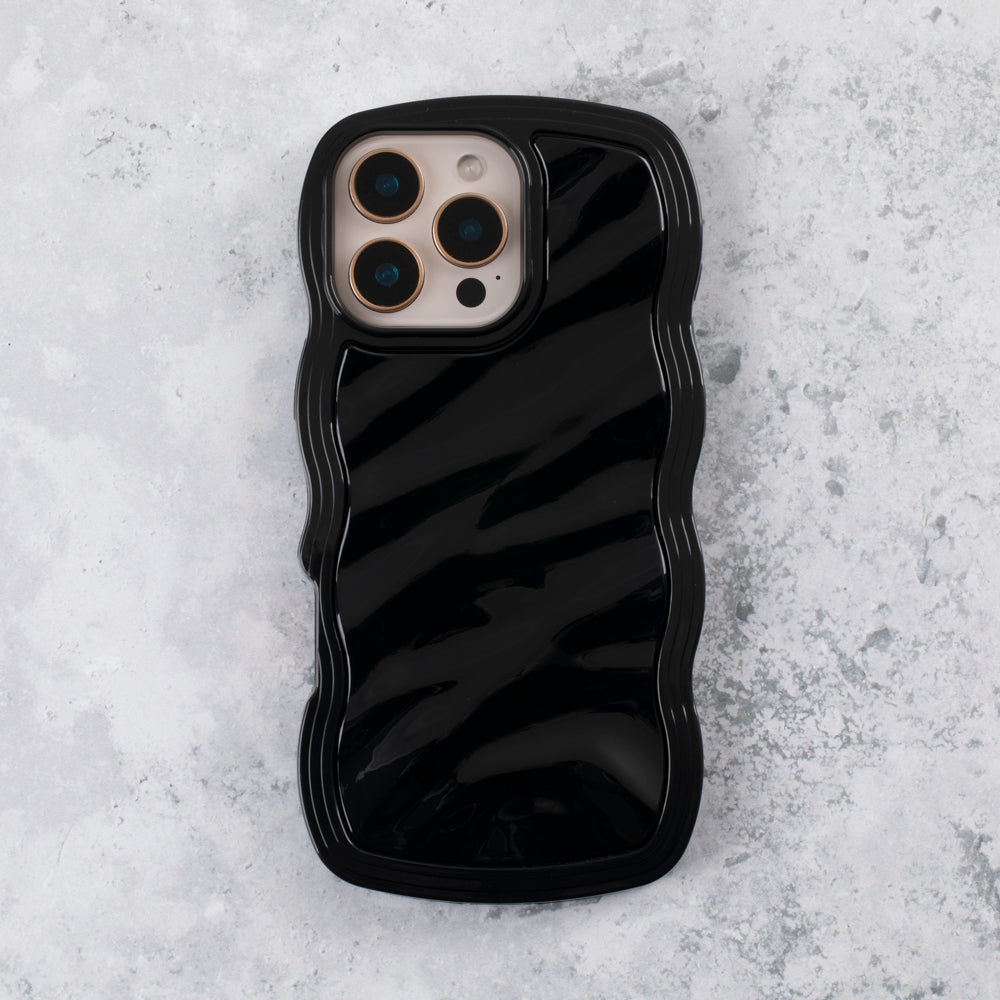
| Shockproof fashion | 3-4 feet (table height) | Everyday style + protection | Wavy Matte / Ripple Heart | £16 |
| Dual-layer tough | 4-6 feet (standing height) | Clumsy users, active lifestyles | Tough case range | £25 |
| Ultra-rugged | 6-10 feet (extreme) | Construction, outdoor work | N/A (specialist brands) | £40-£70 |
The Real-World Drop Scenarios
Let's map the actual situations where phones get dropped to the protection level needed:
Table or Desk Drop (2-3 feet)
The most common drop scenario. Phone slides off a table, gets knocked off a desk, or slips from a café counter. Any shockproof case handles this, including Belvia London's £16 wavy matte range. You don't need dual-layer for this.
Hand or Pocket Drop (3-4 feet)
Second most common. Phone slips from your hand while walking, or catches on your pocket as you pull it out. A shockproof fashion case at £16 handles this well. Dual-layer at £25 gives you added confidence. For commuters and the accident-prone, see our phone cases for clumsy people picks and the science breakdown in do phone cases actually protect your phone.
Shoulder Height Drop (5-6 feet)
Phone falls while taking a selfie, slips from your hand when reaching for something overhead, or tumbles when you're standing and texting. This is where dual-layer construction starts earning its keep. Belvia London's tough cases at £25 are engineered for exactly this range.
The Extreme Scenario (6+ feet)
Phone flying off a top shelf. Being knocked from a balcony railing. Someone taller than average dropping it while standing on steps. These scenarios do happen, but rarely. If this is your regular concern, you might need a specialist rugged case, but for 99% of people, a well-made dual-layer case is more than sufficient.
Belvia London's Protection Engineering
Here's specifically how Belvia London's cases protect at each tier:
Fashion Range (£16), Shockproof
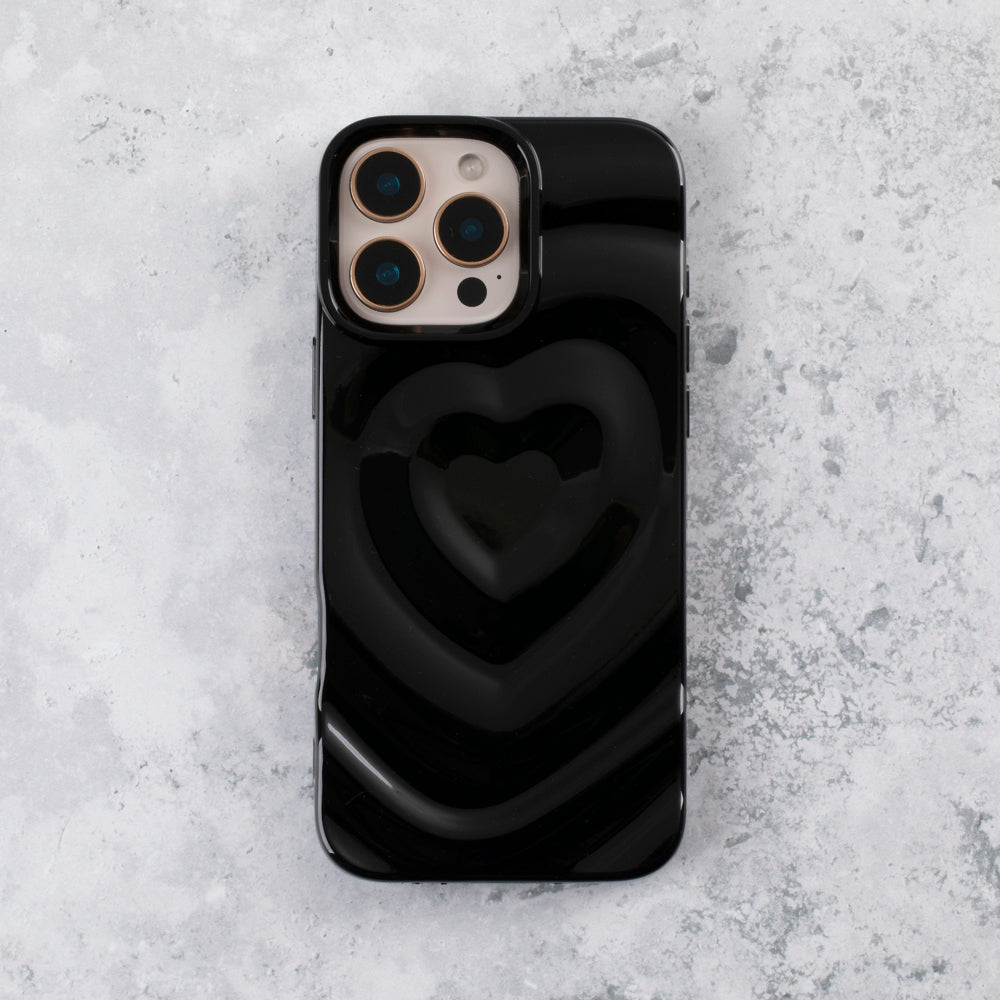
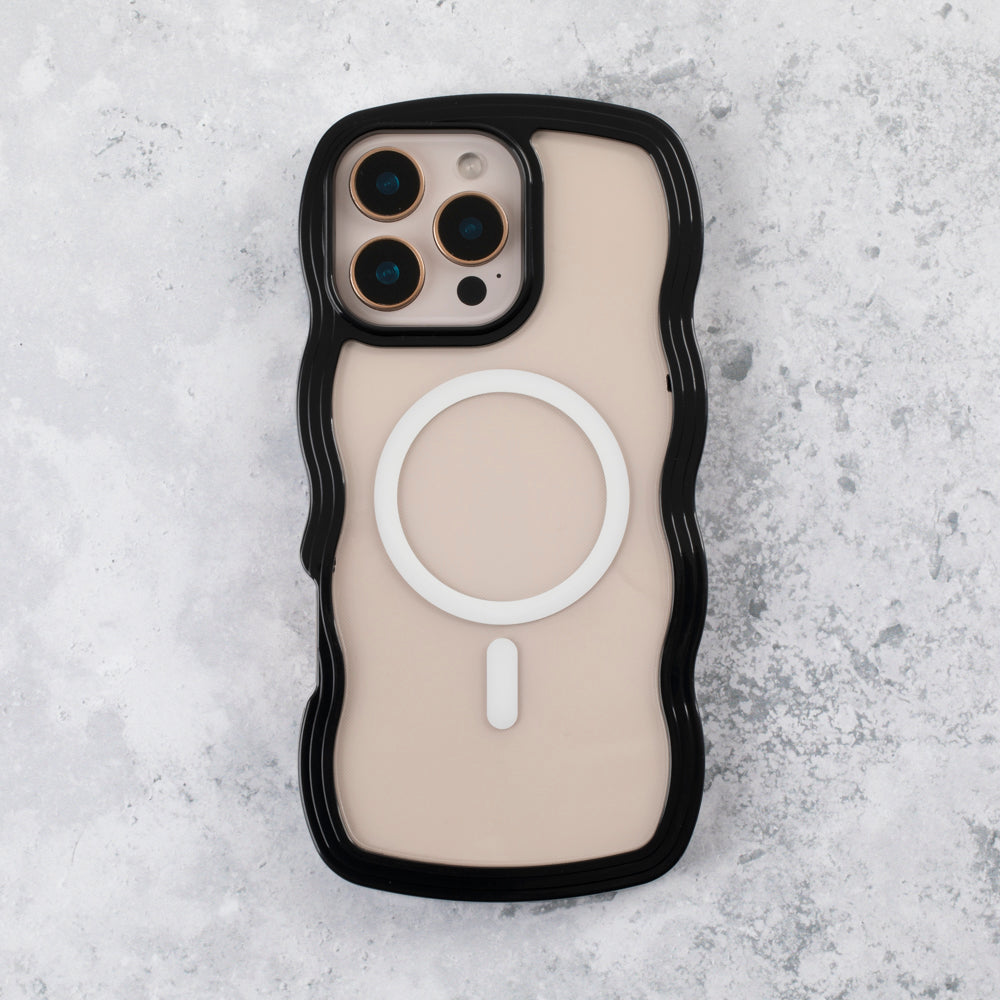
The wavy matte cases, ripple heart cases, and MagSafe wavy edge cases all feature shockproof construction with raised screen and camera bezels. They're rated for everyday drops from table and hand height, which covers the vast majority of real-world scenarios.
Tough Range (£25), Dual-Layer
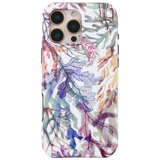
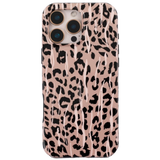
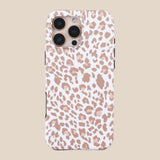
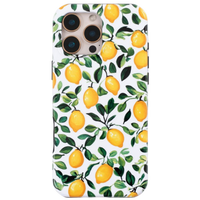
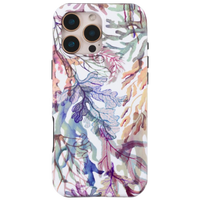
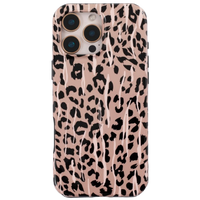
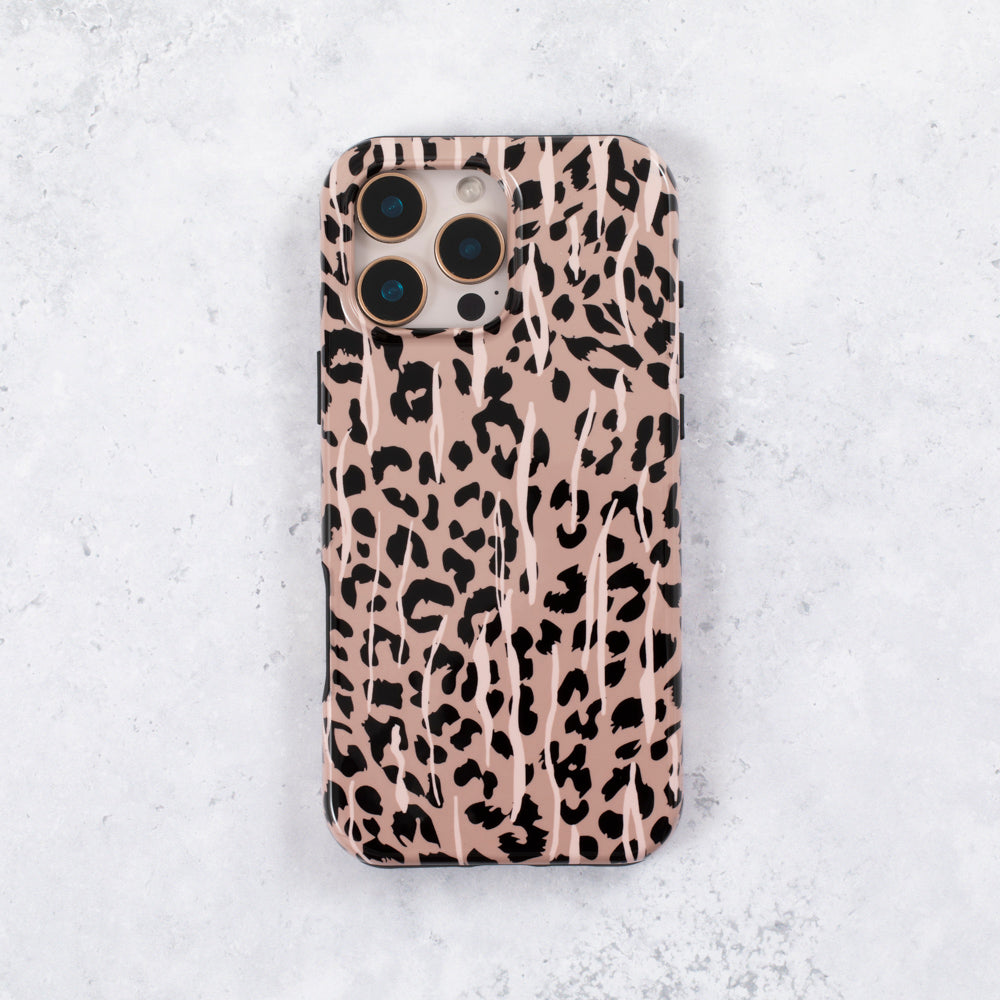
Cases like the Forest Green Floral, Leopard Luxe, and Ocean Bloom use dual-layer construction, hard polycarbonate outer shell with shock-absorbing TPU inner. Raised bezels on all edges, corner reinforcement, and precise fit engineering. This is genuine 4-6 foot drop protection.
For our full protective case recommendations, see the best protective iPhone 17 Pro Max case guide.
The Screen Protector Factor
No matter how good your case is, a screen protector is the smart companion. Tempered glass screen protectors (£9.95 from Belvia London) work as a sacrificial layer, they absorb impact and crack instead of your actual screen. They're designed to be replaced cheaply, so your screen doesn't have to be replaced expensively.
A tough case + screen protector combination costs roughly £35 from Belvia London. An iPhone screen repair costs £300+. The maths is simple.
What You Actually Need: Our Recommendation
Based on actual drop data and real-world usage patterns, here's our honest recommendation:
- Careful with your phone, desk job, minimal risk: A shockproof fashion case at £16 is plenty. The wavy matte or ripple heart cases from Belvia London cover everyday knocks with style
- Average user, occasional butterfingers: A tough case at £25 plus a screen protector at £9.95 gives you comprehensive protection for under £35
- Seriously clumsy, active lifestyle, kids: A tough case at £25 is essential. Pair it with a screen protector and consider a phone strap for extra security
For all users, we'd recommend the iPhone 17 Pro Max case buying guide for a complete overview of choosing the right protection level.
The Verdict
Don't be seduced by extreme drop protection claims. A phone case that survives a 10-foot drop onto concrete is solving a problem that almost nobody has. What you actually need is a well-engineered case that handles the drops that happen in real life, from tables, hands, pockets, and the occasional sofa arm.
Belvia London's tough cases at £25 deliver exactly this. Dual-layer construction, raised bezels, corner reinforcement, and beautiful design that makes you want to actually use the case rather than leaving it in a drawer. Because the best protection in the world is useless if the case is so ugly you don't put it on your phone.
Browse by model: iPhone 17 Pro Max | iPhone 16 Pro Max | all iPhones
Frequently Asked Questions
What does "military grade" phone case protection mean?
It typically references MIL-STD-810G Method 516.6, a US military standard involving 26 drops from 4 feet onto plywood over concrete. It was designed for military equipment, not phone cases. Many brands use the term loosely, a well-made dual-layer case provides equivalent real-world protection.
How high can a phone be dropped with a case on?
A quality dual-layer case (like Belvia London's tough range at £25) reliably protects against drops from 4-6 feet onto hard surfaces. Shockproof fashion cases handle drops from 3-4 feet. No case guarantees survival from every possible drop scenario.
Is a slim case protective enough?
For everyday use where drops are from table or hand height, a shockproof slim case provides adequate protection. For frequent or higher drops, a dual-layer tough case is recommended. Belvia London's shockproof fashion cases (£16) handle normal everyday use well.
Do raised bezels really make a difference?
Yes, significantly. Raised bezels create an air gap between the screen/camera and the ground during a face-down or camera-down drop. Even 1mm of raised bezel prevents direct contact with the surface, which is the primary cause of screen cracks.
Should I pair a phone case with a screen protector?
Strongly recommended. A tempered glass screen protector works as a sacrificial layer that cracks instead of your actual screen. At £9.95 from Belvia London, it's inexpensive insurance that complements your case's drop protection.