

Updated March 2026 · 9 min read
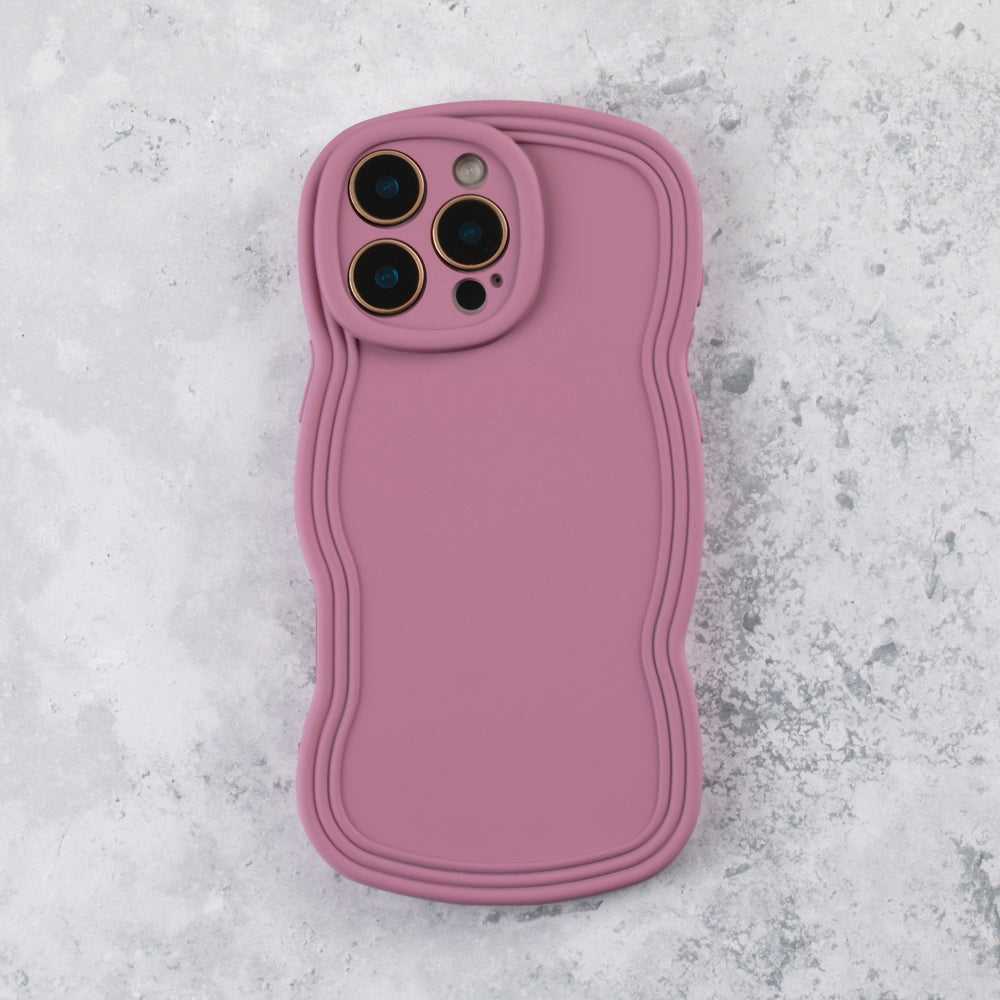
Your phone case touches more surfaces in a day than almost anything else you own. It sits on restaurant tables, public transport seats, bathroom counters, kitchen worktops, gym benches, and, let's be honest, the floor. Yet most people never clean it. Not once. Not ever.
According to research, the average phone carries roughly 10 times more bacteria than a toilet seat. Your phone case, being the part you actually grip, bears the brunt of that microbial load. Pleasant? No. Fixable? Absolutely. Connected reads include our piece on whether phone cases cause overheating, the right way to store phone cases when not in use, and a quick history of phone cases for context on why modern materials behave the way they do.
This guide covers how to clean every type of phone case material, from silicone to polycarbonate to vegan leather. Whatever your case is made from, we've got the method that will restore it to its original glory without causing damage. Not sure what your case is made from? Our phone case materials guide will help you identify it. If your case is genuinely stuck, our how to remove a tight phone case safely walkthrough is the safer route. For drinkware, we cover how to clean straw covers and how to clean a tumbler separately.
Before You Start: Universal Rules
Regardless of your case material, these rules apply to every cleaning session:
- Always remove the phone first. This should go without saying, but we're saying it anyway. Water and electronics are not friends.
- Avoid harsh chemicals. Bleach, acetone, nail polish remover, and concentrated alcohol can damage finishes, discolour materials, and degrade adhesives.
- Dry thoroughly before reassembling. Any trapped moisture between the case and phone can cause issues over time. Air-dry completely, at least 30 minutes.
- Test on a small area first. If you're trying a new cleaning method, test it on an inconspicuous spot before committing to the whole case.
How to Clean Silicone Phone Cases
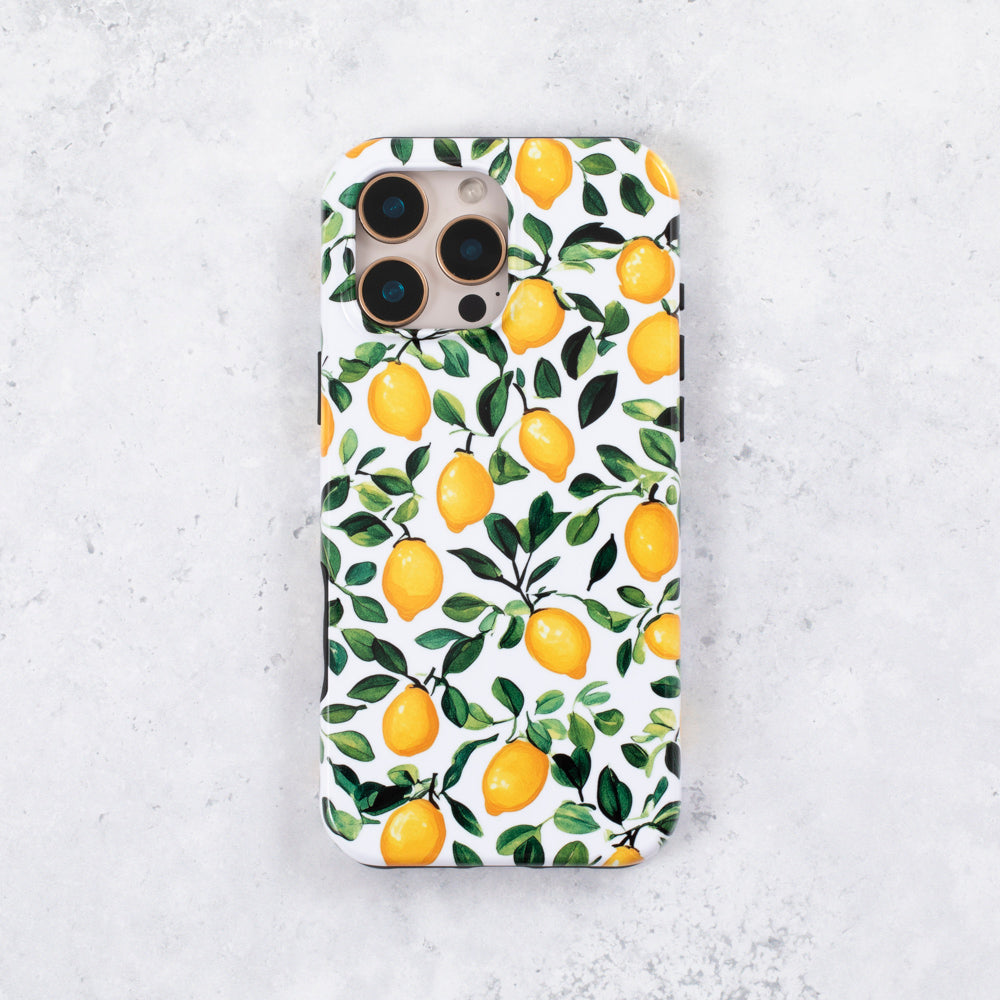
Silicone cases are brilliantly grippy and shock-absorbent, but their soft, slightly tacky surface attracts lint, dust, and oils like a magnet. They need regular cleaning to stay looking, and feeling, fresh. For tough discolouration, see our specific guide on how to remove stains from silicone phone cases.
Everyday Clean (Weekly)
- Mix a few drops of washing-up liquid in warm (not hot) water.
- Dip a soft cloth or old toothbrush into the solution.
- Gently scrub the entire case, paying extra attention to corners and button cutouts where grime accumulates.
- Rinse under clean warm water.
- Pat dry with a lint-free cloth and air-dry completely before reattaching.
Deep Clean (Monthly)
For stubborn stains or discolouration, make a paste of bicarbonate of soda and water (roughly 2:1 ratio). Apply the paste to stained areas, let it sit for 15-20 minutes, then scrub with a soft brush and rinse. The mild abrasive action lifts embedded dirt without scratching the silicone surface.
How to Clean TPU (Flexible Plastic) Cases
TPU, thermoplastic polyurethane, is the most common phone case material. It's the flexible, slightly rubbery plastic used in the majority of phone cases, including the inner layer of Belvia London's Tough Cases. TPU is durable and resistant to oils, but it can yellow over time, especially clear versions.
Standard Clean
- Mix warm water with a small amount of washing-up liquid.
- Submerge the case and let it soak for 10-15 minutes to loosen dirt.
- Use a soft-bristled brush to clean all surfaces, including the inner cavity.
- Rinse thoroughly and air-dry.
Tackling Yellowing
Clear TPU cases yellow due to UV exposure and oxidation, it's a chemical process that's difficult to reverse entirely. However, soaking the case in a solution of hydrogen peroxide (3% concentration, available at any chemist) for 30-60 minutes under direct sunlight can reduce yellowing noticeably. For prevention tips, see our guide on removing yellowing from clear phone cases.
How to Clean Tough (Dual-Layer) Cases
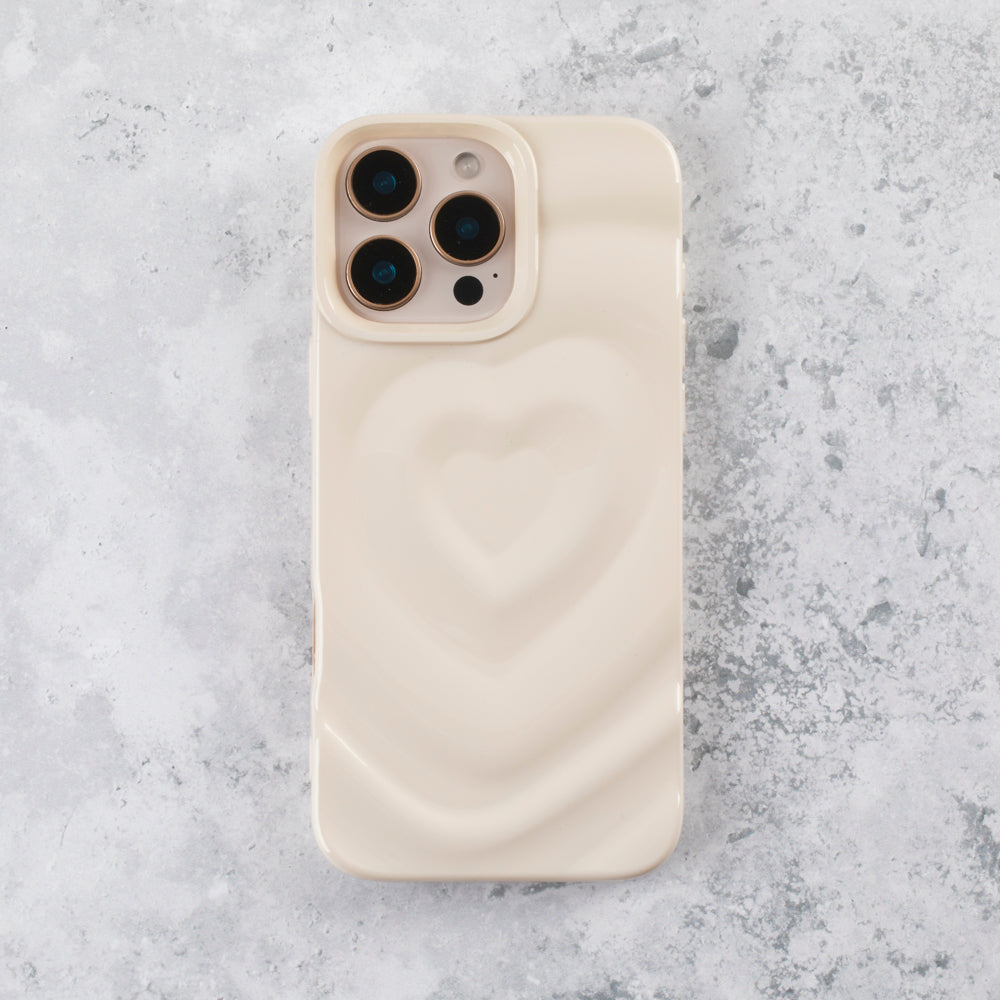
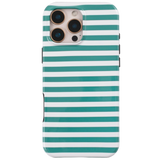
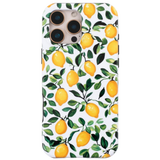
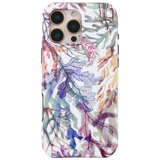
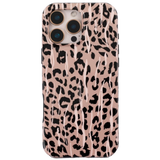
Tough cases, like the ones in our Belvia London collection, combine a hard polycarbonate outer shell with a soft TPU inner. This dual-layer construction requires slightly different care to preserve both the printed design and the protective structure.
Recommended Method
- Dampen a microfibre cloth with warm water and a tiny amount of washing-up liquid.
- Wipe the outer shell gently, following the direction of the print rather than scrubbing in circles.
- For the TPU inner, use a slightly damp cloth to remove dust and lint.
- Avoid soaking the case, the junction between layers shouldn't be saturated.
- Dry with a clean cloth immediately.
Important: Never use abrasive cleaners, scouring pads, or rough brushes on printed tough cases. The print layer is protected by a clear coating, but aggressive scrubbing can wear through it over time. For long-term hygiene, also see our UV phone case sanitiser review and our phone case care kit essentials guide.
How to Clean Vegan Leather Cases
Vegan leather (PU leather) requires the gentlest approach. It looks and feels luxurious but can be damaged by excess moisture, heat, and chemical cleaners.
- Wipe with a barely damp microfibre cloth, emphasis on "barely." You want the cloth slightly moist, not wet.
- For marks or stains, use a small amount of gentle hand soap on the cloth.
- Never submerge a vegan leather case in water.
- Dry immediately with a clean, dry cloth.
- Optionally, apply a small amount of leather conditioner (suitable for PU leather) to maintain suppleness and prevent cracking.
How to Clean Clear Phone Cases
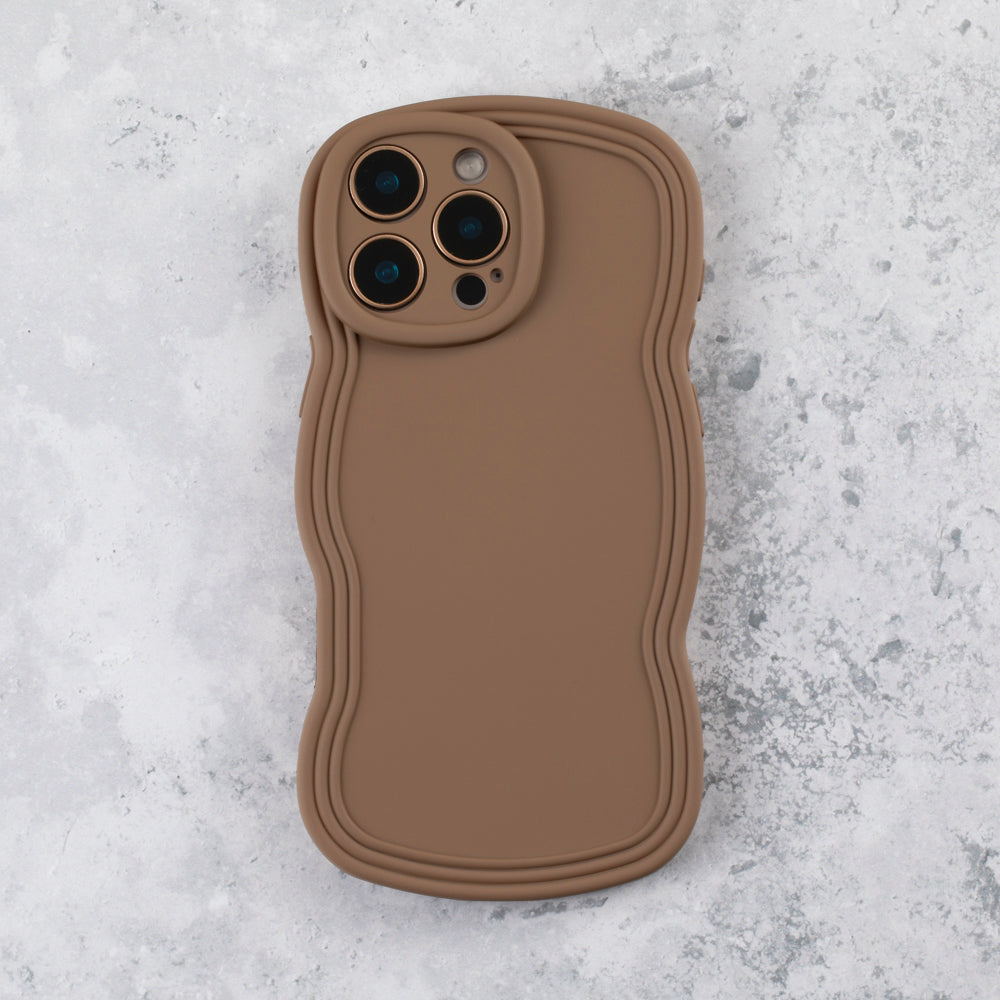
Clear cases show every speck of dirt, every fingerprint, and every bit of discolouration. They need more frequent cleaning than opaque cases to maintain their transparency and appeal.
Weekly Maintenance
- Soak in warm soapy water for 15 minutes.
- Scrub with a soft toothbrush, focusing on edges and corners.
- Rinse under clean water.
- Dry completely before reattaching.
Restoring Clarity
For cases that have gone cloudy, white vinegar is your friend. Mix equal parts white vinegar and water, soak the case for 30 minutes, then scrub and rinse. The acidity cuts through mineral deposits and oil buildup that cause cloudiness. For more detailed restoration steps, our phone case hygiene guide covers this in depth.
How Often Should You Clean Your Phone Case?
Here's a practical cleaning schedule that balances hygiene with reality:
| Frequency | Action |
|---|---|
| Daily | Quick wipe with a dry microfibre cloth |
| Weekly | Wash with warm soapy water |
| Monthly | Deep clean with appropriate method for your material |
| As needed | Spot-treat stains immediately before they set |
Browse Easy-Clean Tough Cases →
What NOT to Do
- Don't use a hairdryer to speed up drying. Heat can warp TPU and silicone cases, especially thinner ones.
- Don't use baby wipes. They contain moisturisers and chemicals that leave a residue on case surfaces.
- Don't put your case in the washing machine. The agitation and heat can permanently deform the case.
- Don't use hand sanitiser as a cleaner. The alcohol concentration varies wildly between brands, and some can strip colour from printed cases.
- Don't ignore the inside of the case. The inner surface, where the case meets your phone, traps dust and grit that can scratch your phone's back panel over time.
Frequently Asked Questions
Can I use antibacterial wipes on my phone case?
Proceed with caution. Some antibacterial wipes contain chemicals that can damage certain case materials, particularly printed designs and vegan leather. For a safe antibacterial clean, use a cloth dampened with a diluted isopropyl alcohol solution (70% alcohol, 30% water), this kills bacteria effectively without damaging most case materials.
Why does my clear phone case turn yellow?
Yellowing in clear cases is caused by UV exposure and natural oxidation of the TPU material. It's a chemical reaction that occurs over time and is accelerated by sunlight, heat, and contact with oils from your skin. While it can be reduced through cleaning, it cannot be fully prevented in standard TPU. Our yellowing removal guide has more tips.
How do I remove a stubborn stain from a silicone case?
For stubborn stains that resist normal cleaning, try a paste of bicarbonate of soda and water applied directly to the stain. Leave it for 30 minutes, then scrub with a soft brush. For particularly persistent marks, a magic eraser (melamine sponge) can work wonders, but use it sparingly, as it's mildly abrasive.
Is it safe to clean my phone case with washing-up liquid?
Yes, standard washing-up liquid is safe for silicone, TPU, polycarbonate, and printed tough cases. It's actually our recommended cleaning agent because it's effective at cutting through oils without being harsh enough to damage materials. Use a small amount diluted in warm water.
Can cleaning damage the print on my Belvia London case?
Our Tough Cases feature prints protected by a durable clear coating, so gentle cleaning with a soft cloth and mild soap won't cause any damage. Avoid abrasive materials, harsh chemicals, and vigorous circular scrubbing over the printed areas. Following our recommended method, your design will stay vibrant for the life of the case.