

Expensive phone cases are not always better. Past roughly £20 to £25 you mostly pay for brand and finish, not protection. Budget cases can match drop performance if they have raised bezels and a shock-absorbing edge. Here is where price does and does not matter.
By Belvia Editorial Team · Updated 10 May 2026
You've just spent £1,199 on a new iPhone. Now you need a case. And suddenly you're staring at options ranging from £3 to £75, wondering whether the expensive one is genuinely better or just better marketed.
It's one of those questions that nobody gives you a straight answer to, because the truth is slightly uncomfortable for the brands charging £50+. The materials aren't that different. The protection isn't always better. And the design? Well, design is subjective, but you don't need a massive budget to get something genuinely beautiful.
Let's go through this properly. No sponsored fluff, just honest analysis of what you're actually paying for at each price point.
The Price Tiers: What You Get at Each Level
Under £5: The Bare Minimum
At this price, you're looking at basic TPU or silicone cases from unbranded sellers. They'll fit your phone, they'll add a thin layer of protection against scratches, and that's about it. The problems:
- Yellowing within weeks (especially clear cases)
- Loose fit that gets worse over time
- Minimal to zero drop protection
- Designs that peel or fade
- That unmistakable "I grabbed the cheapest thing on Amazon" look
£10-£20: The Sweet Spot Starts Here
This is where phone cases start getting genuinely good. At this tier, you can find properly engineered cases with shockproof construction, quality materials, and designs that don't look like an afterthought.
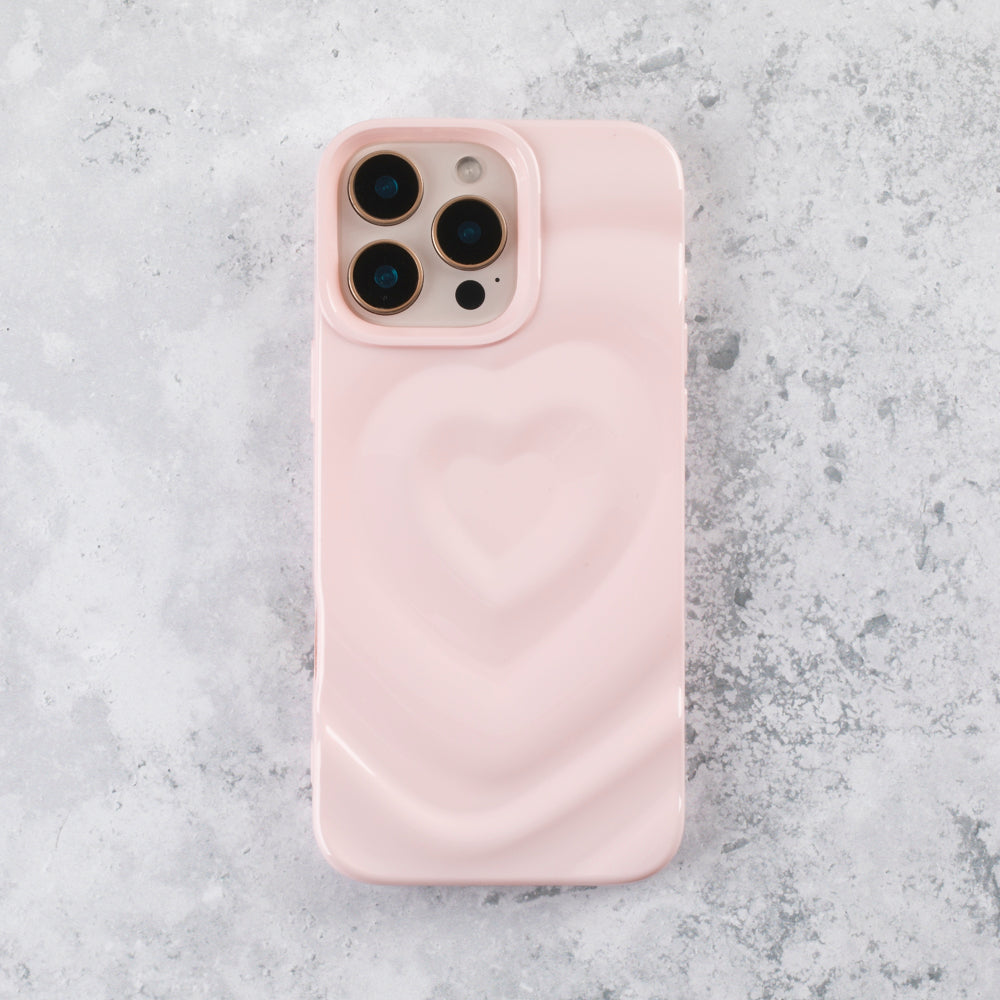
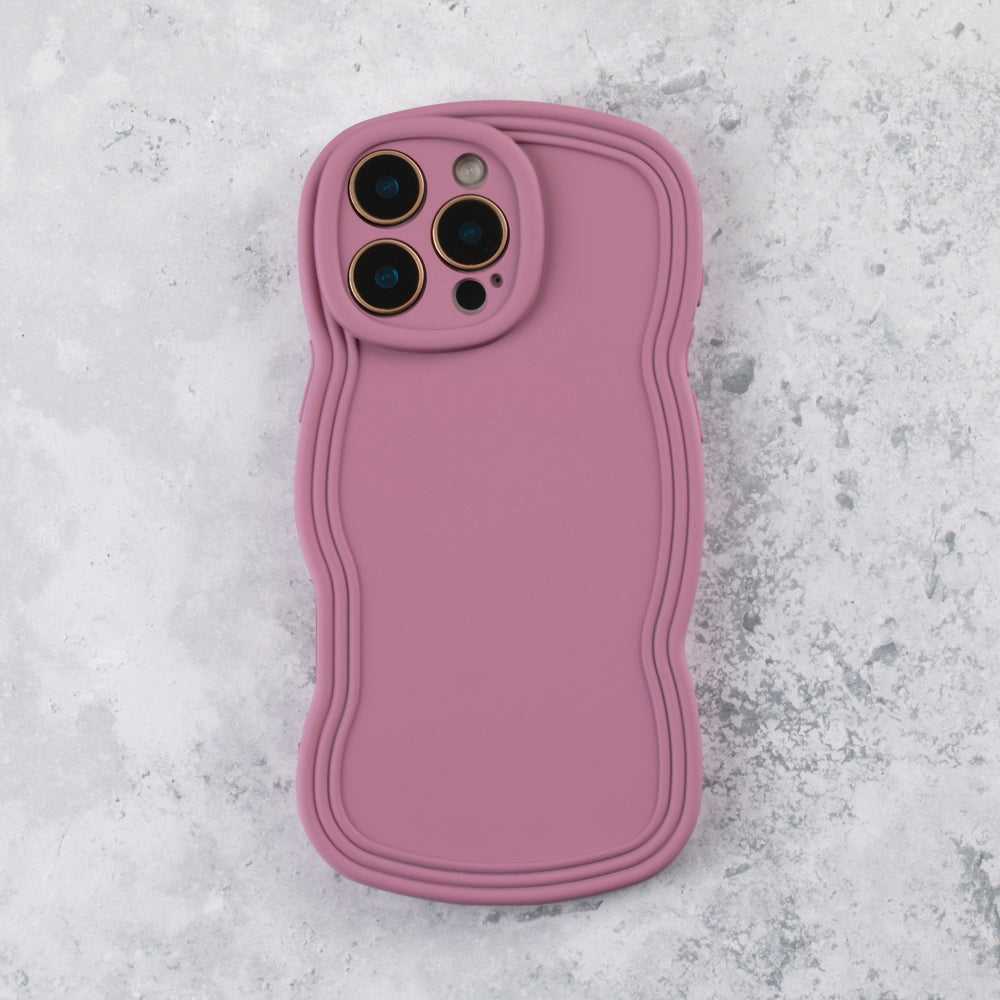
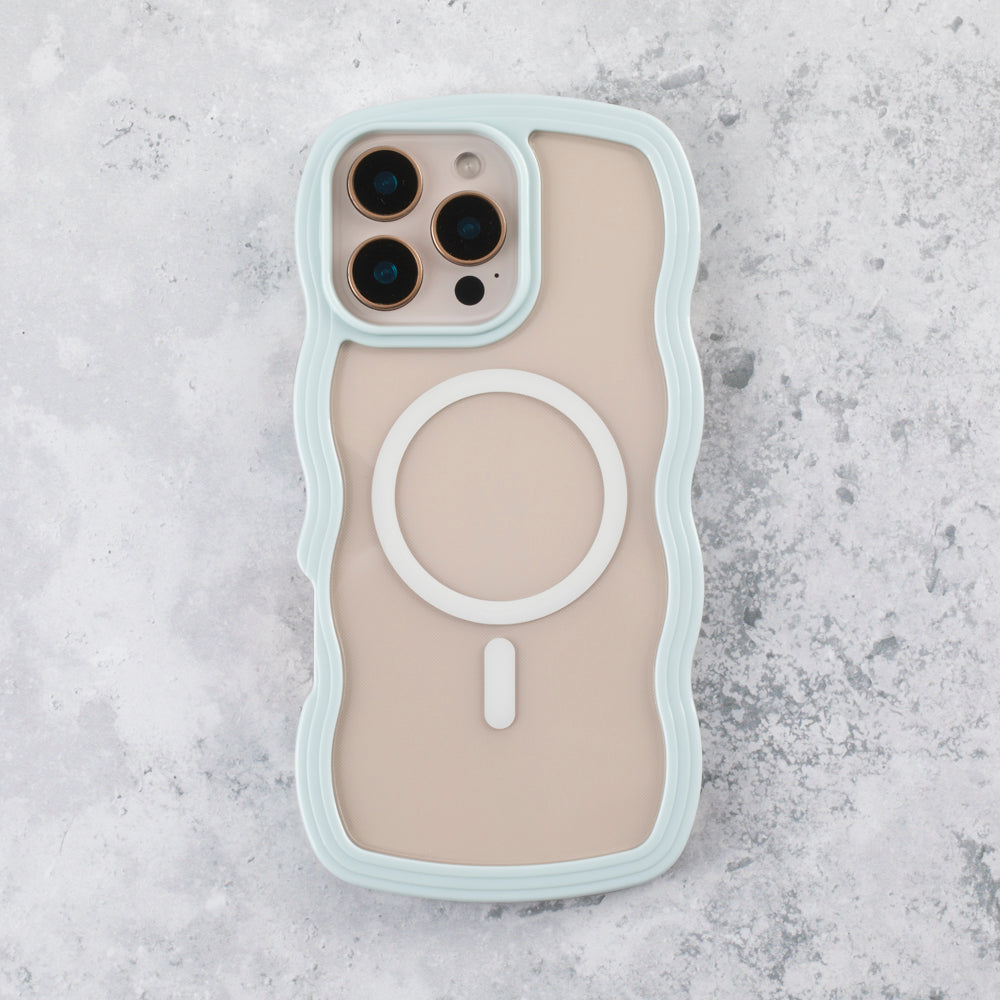
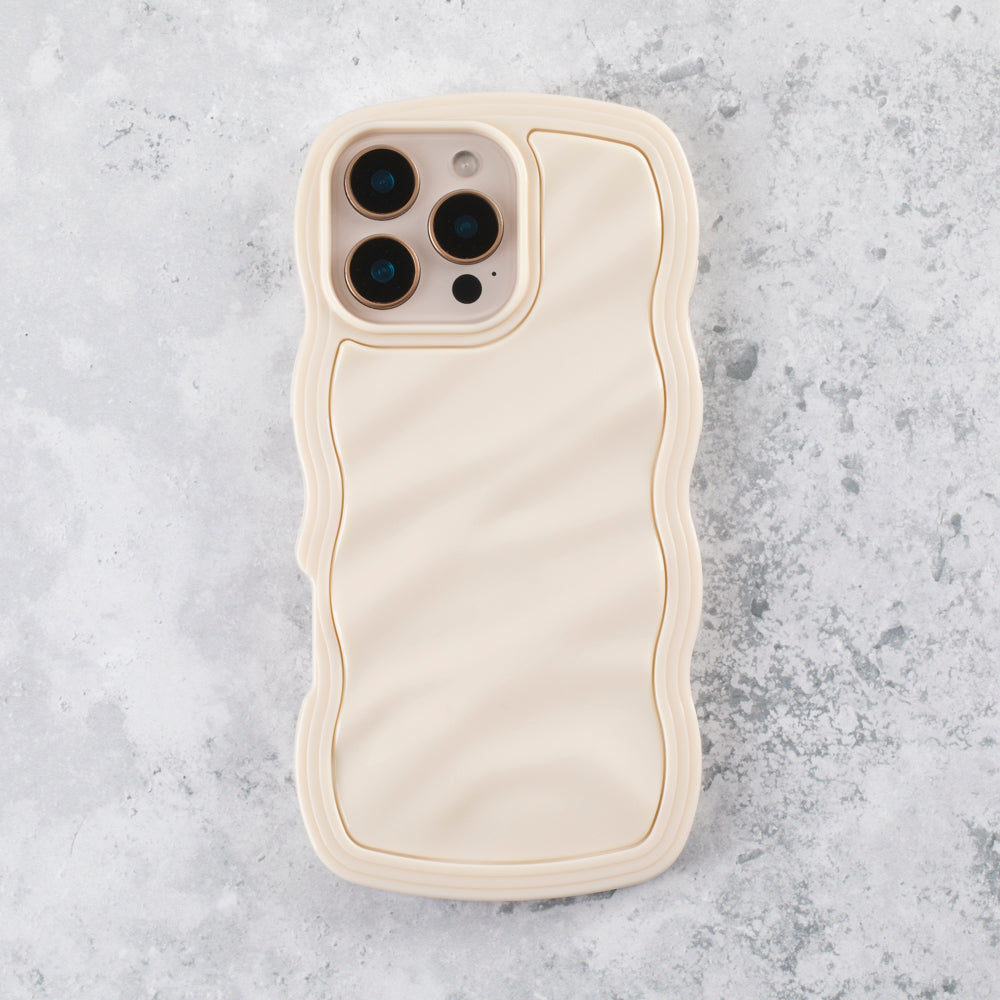
Belvia London's fashion range sits right here at £16, wavy matte cases, ripple hearts, MagSafe options, pearl embellishments, and bling finishes. These aren't "budget" cases that happen to be cheap. They're fashion-designed cases at an accessible price. Mocha Wavy Matte is available at £16 genuinely feels premium in your hand.
£20-£30: The Quality Zone
Here you start seeing dual-layer construction, raised bezels, higher-quality printing, and branded design. This is where Belvia London's tough cases sit at £25, and where most mid-range brands price their standard offerings.
At this price, you should expect proper drop protection, UV-bonded prints that don't fade, and cases that maintain their fit and shape over months of use. Baby Blue Floral Tough Case is available at £25 is a perfect example, dual-layer protection with artwork that could hang on a wall.
£30-£50: The Premium Tax Begins
At this tier, you're paying for brand names, marketing, and packaging as much as the case itself. The materials are often identical to what you'd find at £20-£30. The drop protection may be marginally better, but for real-world use, dropping your phone from table height, not throwing it off a bridge, the difference is academic.
£50+: The Luxury Premium
Cases from brands charging £50 or more typically offer genuine leather, extreme military-grade drop protection, or a brand name that carries social currency. Some of this is justified, genuine leather is expensive, and extreme drop testing costs money. But most of it is brand positioning.
What Actually Determines Phone Case Quality?
Let's cut through the marketing and look at what actually matters:
Material Quality
TPU (thermoplastic polyurethane) and polycarbonate are the two main materials. A £16 case and a £60 case often use the exact same raw materials, the difference is in the manufacturing precision and finishing, which has a far lower cost impact than the price gap suggests.
Drop Protection Engineering
Dual-layer construction (hard shell + flexible inner), raised bezels around camera and screen, and air-cushion corners are the three key protection features. You can get all three from £25. The extreme "military-grade" drop tests at higher price points (6ft, 8ft, 10ft) sound impressive but represent scenarios that rarely happen in real life.
Print and Finish Quality
UV-bonded printing technology is now standard across decent brands. It means the design is chemically bonded to the case surface, so it won't peel, scratch, or fade with normal use. You don't need to spend £50 for this, Belvia London uses it on every case from £16 upwards.
Fit Precision
A well-made case fits your exact phone model precisely, buttons click cleanly, ports are perfectly aligned, and the case doesn't shift or rock. This comes down to manufacturing tolerances, not price point. Cheap unbranded cases often have loose fits. Branded cases from £16+ almost always get this right.
The Real Price Comparison Table
| Feature | Under £5 | £16 (Belvia fashion) | £25 (Belvia tough) | £50+ (premium brands) |
|---|---|---|---|---|
| Material quality | Low | Good | Excellent | Excellent |
| Drop protection | Minimal | Shockproof | Dual-layer | Military-grade |
| Print durability | Peels/fades | UV-bonded | UV-bonded | UV-bonded |
| Design quality | Generic | London-designed | London-designed | Branded |
| Fit precision | Loose | Precise | Precise | Precise |
| Yellowing resistance | Poor | Good | Excellent | Excellent |
| Value for money | False economy | Excellent | Excellent | Diminishing returns |
The Marketing Trick: Why Expensive Feels Better
There's a well-documented psychological phenomenon called the "price-quality heuristic", we instinctively assume more expensive products are better. Phone case brands exploit this ruthlessly.
When a brand charges £60 for a phone case, part of what you're buying is the feeling that you've made a premium choice. The unboxing experience is nicer. The packaging is heavier. The website looks more polished. But when you strip all that away and look at the actual case in your hand, the gap between a £25 well-made case and a £60 premium case is far smaller than the price difference suggests.
When Expensive IS Worth It
To be fair, there are specific scenarios where paying more makes sense:
- Genuine leather cases, real leather is expensive to source and work with. A £50+ leather case using properly tanned hide will age beautifully in a way that faux leather at £16 won't
- Extreme environments, if you work on building sites, go hiking in the rain, or genuinely need military-grade protection, investing in a specialist rugged case is sensible
- Custom engraving or personalisation, the technology and labour involved in individual customisation has real costs
For everyone else, which is the vast majority of us, a £16-£25 case from a design-led brand delivers everything you actually need.
The Smart Money: Belvia London's Sweet Spot
Here's what we'd recommend from Belvia London for the best value at every style:
- Best value fashion case: Blush Pink Ripple Heart, £16, tactile 3D texture, shockproof
- Best value protective case: Forest Green Floral Tough Case, £25, dual-layer, stunning botanical print
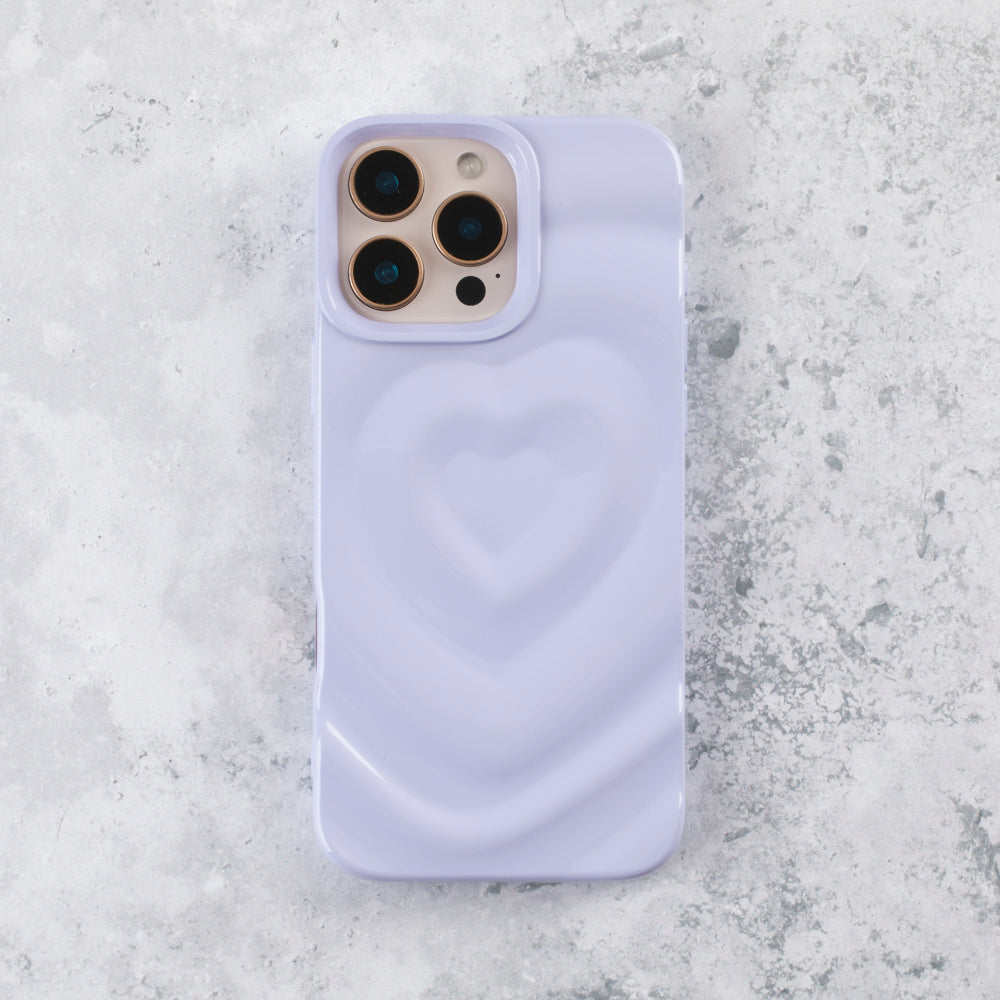
- Best value MagSafe: Lilac & Clear MagSafe Wavy Edge, £16, MagSafe compatible at an unbeatable price
- Best value luxe: Pearls & Bows 3D Elegance, £16, raised pearl detailing that looks like it costs five times more
- Best value minimalist: Jet Black Wavy Matte, £16, soft-touch finish, sleek and understated
For the full range, browse all iPhone cases or check our case buying guide.
The Verdict: Where's the Value?
Under £5 is a false economy, you'll replace it within months. Over £50 is diminishing returns, you're paying for a brand name, not better protection. The sweet spot sits firmly in the £16-£25 range, where you get proper materials, genuine design, quality finishes, and drop protection that handles real-world use.
Belvia London lives right in that sweet spot. London-designed cases with premium textures and finishes, starting at £16 with free delivery over £25. You don't need to choose between looking good and being sensible with your money.
More to read: best iPhone 17 Pro Max cases | best cute cases | best clear cases
Frequently Asked Questions
Is an expensive phone case worth it?
For most people, no. Cases in the £16-£25 range from quality brands use the same core materials and engineering as £50+ cases. The premium is mostly for branding, marketing, and packaging rather than meaningfully better protection or quality.
What's the cheapest phone case that's actually good?
Belvia London's fashion range starts at £16 for wavy matte, ripple heart, MagSafe, pearl, and bling cases, all with shockproof construction and UV-bonded designs. It's the lowest price point where you get genuinely premium design and build quality.
Do expensive phone cases protect better?
There are diminishing returns above £25. A well-engineered dual-layer case at £25 handles real-world drops effectively. The extreme drop ratings on £50+ cases (8ft, 10ft) represent scenarios most people will never encounter.
Why do some phone cases cost £60 or more?
Brand positioning, celebrity collaborations, premium packaging, global marketing budgets, and in some cases genuine premium materials like real leather. For standard TPU and polycarbonate cases, the manufacturing cost difference between a £25 and £60 case is marginal.
How often should you replace your phone case?
A quality case from a brand like Belvia London should last the full life of your phone, typically 2-3 years. Cheap cases under £5 may need replacing every few months. The sweet spot of £16-£25 gives you a case that lasts without an excessive investment.