

Part 1: Why Protection Matters for Your iPhone 16 Pro Max
Direct answer: The best protective iPhone 16 Pro Max case is one that balances real shock absorption with everyday comfort. Protection is not just about passing a drop test; it is about how the case performs when life actually happens—on pavements, in coffee shops, on commute stairs, or while juggling a bag, latte and keys.
The iPhone 16 Pro Max is large, glass-covered and expensive to repair. A case with good protection doesn’t make your phone indestructible. It makes knocks, tumbles and accidental drops much less stressful. The idea is to reduce damage risk without turning your phone into a bulky brick. Part of that is understanding what kinds of protection actually matter in real life.
Before diving deeper, you might find the overview in the best iphone 16 pro max case guide and the build and style insights in the iphone 16 pro max case buying guide 2026 really helpful context. They explain all the base features you should care about in a case beyond just protection.
Glass phones need protection that matches real life
The iPhone 16 Pro Max screen and back glass are beautiful, but glass breaks more easily than metal or polycarbonate. Cases are there to:
- Absorb impact energy before it reaches the phone
- Distribute force away from vulnerable corners
- Keep edges from directly smashing on hard surfaces
- Protect the camera bump and lens edges
Protection is not just about surviving one big fall. It is about everyday life. Think about:
- Accidental drops from waist height
- Impact on concrete, tile or brick
- Slipping out of a bag or pocket
- Bumping edges on furniture, car doors and countertops
How cases protect differently
Not all protection is the same. Some cases are built for light daily wear and look slim, others are made for heavy drops and rough handling. Somewhere between those two is what most people actually need.

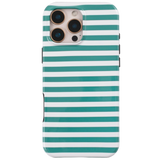
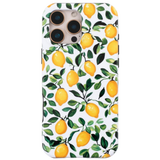
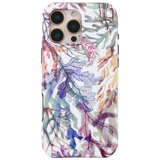
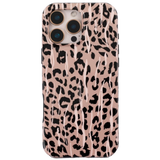
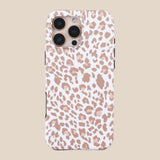
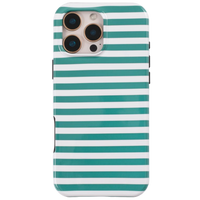
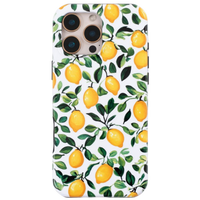
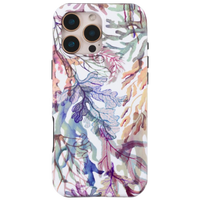
In that moodboard you can see a range of protection styles from subtle neutrals and everyday picks to more durable textures and prints. What all of them share is a design built around dependable structure rather than flimsy shells.
Crash test vs real life
Many brands advertise “military grade drops” or 8ft protection. In laboratory tests, that may have meaning. But in real life, protection is about how the case performs at every height, angle and surface—not just one standardized drop.
That is why high protection in real life is:
- Shock absorbing corners
- Reinforced edges
- Raised lips over screen and camera
- Layered materials that cushion and deflect energy
Belvia London protective designs balance all those elements while still keeping your phone comfortable to hold and easy to carry every day.
Protection without bulk does exist
Unlike older tough cases that felt huge and heavy, modern protective builds use smarter materials and design so that you get reassuring safety without making your phone unwieldy. You want something that feels good in your hand and still fits nicely in your favourite bags and pockets.

Neutral tones like a wave textured ivory design still feel minimal, but that texture helps both grip and shock distribution. That means less risk of slips and exactly the sort of everyday protection most people actually need.
Part 2: Understanding Protection Levels — From Everyday Drops to Concrete Falls
Not all drops are created equal. A phone falling off a desk is very different from a phone falling on concrete from waist height. This section explains how protection levels work in real life and what they mean for your case choice.
Daily drop heights explained
| Scenario | Estimated drop height | Risk level |
|---|---|---|
| Slipping off a coffee table | 1–2 feet | Low |
| Falling out of pocket while walking | 3–4 feet | Medium |
| Knocked off desk in office | 4–5 feet | High |
| Accidental drop from hand to concrete | 6+ feet | Very High |
Most everyday drops are between 1 and 4 feet. That is the height you should focus on when judging how protective a case feels in real life.
Protective features that matter most
- Shock absorbing corners: Phones usually hit corners first. Extra cushioning here prevents force from reaching fragile areas.
- Raised screen edge: Keeps the glass from direct contact with flat surfaces, reducing scratches and cracks.
- Camera lip protection: Elevates the camera lenses so they do not take the brunt of a fall.
- Firm but flexible materials: Too stiff can transfer force to the phone, too soft can compress too much. A balanced material disperses energy well.

Even cases with softer looks can offer surprising protection if the materials and design are right. Berry Blossom, for example, still has internal structure built to absorb knocks while looking pretty on brunch tables and in mirror shots.
Drop protection levels and real expectations
Instead of relying on vague “military grade” claims, think about how protective features behave in real life:
- Low protection: Slim cases with minimal shock padding — great for style, everyday desks and casual use.
- Medium protection: Cases with reinforced edges and raised lips — perfect for most people’s routines.
- High protection: Thick bumpers, multi-layer builds — ideal if you regularly drop your phone or are rough on tech.
Real life comparison
| Protection level | Feel + weight | Best for |
|---|---|---|
| Low | Slim, light | Style first, minimal drop risk |
| Medium | Balanced, reassuring | Everyday life, errands, commute |
| High | Sturdy, protective | Those who drop often, travel lots |